
 Contact us
 Refer us
 Work with us
 Customer portal
 Resource hub
 Blog
 Pay your invoice
 Feedback
Right Under Our Noses – Preventing Everyday Harm Project

Everyone experiences everyday harm.
People with disability experience everyday harm more often than we think. This type of harm can occur in everyday, normal interactions, often going unnoticed and can be unintentional.
Everyday harm can affect an indivuduals;
- emotions
- mental health
- physical health
- growth & learning
- relationships
- reputation
Why does everyday harm matter?
Everyday harm often starts with small actions that may seem harmless, but over time they can gradually take away a person’s independence and ability to do things for themselves. That’s why it’s so important to recognise and prevent everyday harm before it becomes part of our daily interactions.
When someone is repeatedly spoken for, overlooked or not given the opportunity to make their own choices, it can have a significant impact on their confidence, self-esteem and sense of control. For people who already rely on support in some areas of their life, experiences of everyday harm can be particularly damaging, making it harder for them to feel empowered, valued and capable.
How can we prevent everyday harm?
There are 5 steps that we can take to prevent and address everyday harm.
- Notice
- Acknowledge
- Respond
- Repair
- Make things better
Things that made a difference
Preventing everyday harm starts with building strong relationships and taking the time to truly know and understand one another. When people feel safe to share how they want to be supported, and workers take the time to listen and learn, it creates trust and respect. It’s also important that people feel comfortable giving feedback and raising concerns, knowing they will be heard.
By listening deeply, increasing awareness of what everyday harm looks like and having open conversations about our experiences, we can recognise harmful behaviours before they become part of everyday interactions. And when mistakes do happen, taking the time to reflect, repair and learn together helps create a culture where people feel valued, empowered and in control of their own lives.
What can we start doing about it?
People with disability:
- Know your rights
- Practise saying how you want to be supported
- Ask for help when something feels wrong
Support workers:
- Notice and name harm when you see or feel it️
- Reflect and ask: “Could I do this differently?”
- Act when something’s not OK, even if it seems small.
Organisations:
- Build policies and practices that name and prevent everyday harm
- Hire and train staff who value respect and relationships
- Provide easy ways for people to speak up
- Include people with disability in decision-making
- Notice and respond to harm, don’t ignore it
What is Avivo doing to prevent everyday harm within their customers?
At Avivo, we know that preventing everyday harm is everyone’s responsibility. That’s why we’ve been proud to be part of the Everyday Harm Project, helping turn important research into practical tools, resources and education that can create real change. Alongside Nina, an Avivo Council Member and customer, and other people with lived experience across Perth, we’ve helped shape resources that encourage people to stop, reflect and think differently about how they interact with others.
But this work isn’t just about creating resources. It’s about holding a mirror up to ourselves and asking how we can do better. Across Avivo, we’re committed to building a culture where customers are listened to, included in decisions that affect them and supported to maintain choice and control in their lives. Through conversations, education and ongoing reflection, we’re working to identify and prevent the everyday harms that can unintentionally take away a person’s independence.
From Kate our CEO: “I’m incredibly proud of this work because it reflects who we are as an organisation. Even when we have a lot on, we continue to focus on what matters most, creating communities where people are respected, heard and empowered to live the life they choose. While everyday harm can often be small and unintentional, the impact can be significant. By recognising it, talking about it and challenging it, we can help create a more inclusive and respectful experience for everyone.”
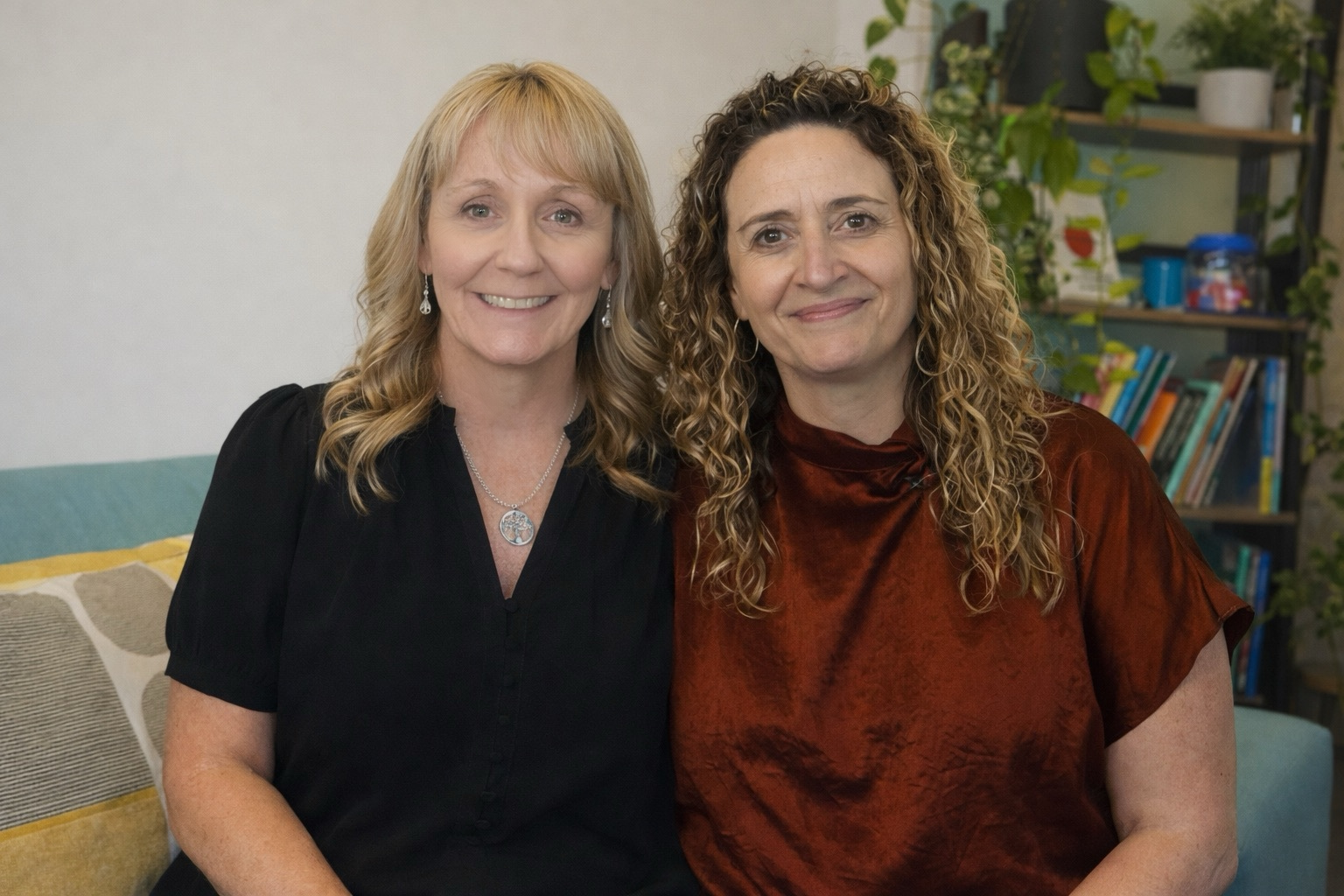
To learn more about the Everyday Harm Project and discover practical resources to help recognise and prevent everyday harm, visit the Everyday Harm website.
 How it works
 Pricelist
 Funding options
 How to apply
 Age care FAQ

 How to apply
